The Eight O'Clock Surcharge: Reading the Price Tag When Your Local Pub Starts Thinking
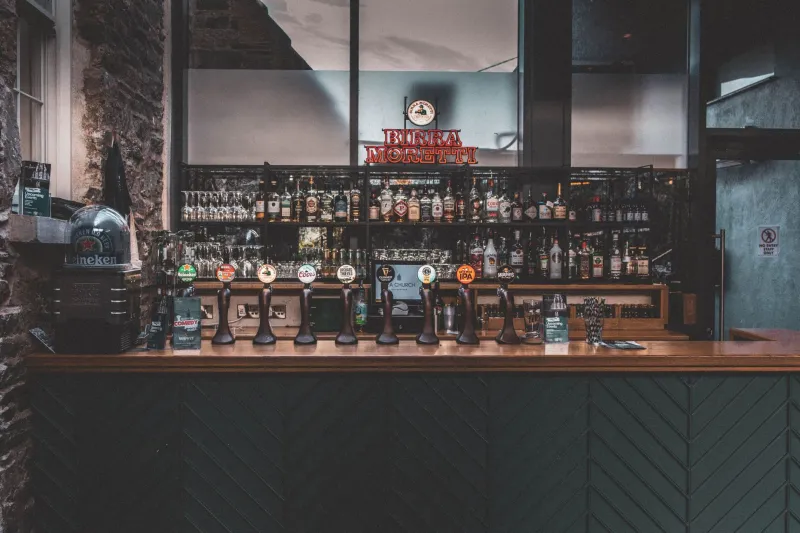
There is a particular kind of British disappointment that arrives when you order the same pint you had at six o'clock and discover, at eight, that it has quietly acquired a premium. No announcement. No chalkboard fanfare. Just a different number on the app, or a total at the card reader that makes you squint. Welcome to the awkward edge of dynamic pricing, where the old certainties of a printed menu meet the sort of demand-responsive logic we used to associate with airline seats and hotel rooms.
At AIWF we are not here to declare every moving price a scandal. Sometimes a price really does change because a venue is busier, staff costs more, or an event is on. But the gap between a fair busy-period premium and a bit of algorithmic theatre is worth learning to read. Especially when the thing being priced is your Friday pint.
What dynamic pricing actually means
Dynamic pricing is a broad term for prices that change in response to conditions. Those conditions might be time of day, demand, stock levels, weather, local events, or how many people are currently ordering through an app. It does not always involve artificial intelligence. A simple rule such as 'charge more after 7pm on Saturdays' is dynamic pricing too. But modern systems increasingly use forecasting and machine learning to adjust prices continuously, sometimes across many venues or product lines.
That is different from personalised pricing, where the price may be shaped by what a business thinks it knows about you. A pub charging more during a busy period is one thing. A pub charging you more than the person next to you because of your postcode, purchase history or device is a more sensitive area, and one where transparency and data protection rules matter. In practice, most UK hospitality operators are nowhere near that level of sophistication. But the systems are improving, and the language around them is getting slippier.
Where you might already meet it
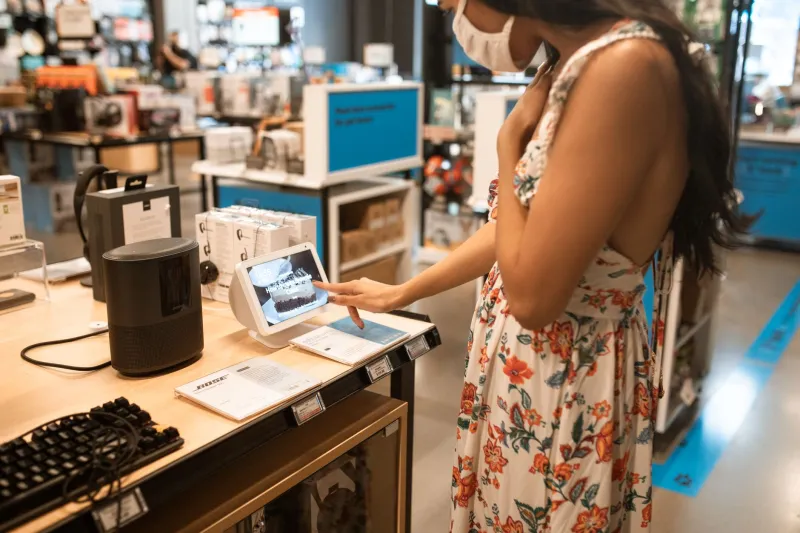
You are most likely to encounter dynamic pricing in places where the price is displayed digitally or through an app. That means pub ordering apps, restaurant QR-code menus, click-and-collect systems, cinema tickets, gym day passes, and shops using electronic shelf labels. Some of these are perfectly ordinary: early-bird menus, happy hours and off-peak gym rates have been with us for years. The difference is that the old versions were usually announced in advance and stayed put for a fixed window.
The newer versions can be more fluid. A venue might describe it as 'demand-based pricing' or a 'peak-time adjustment'. A shop might change shelf-edge prices during the day. A restaurant might show one price on the printed menu and another in the app. None of that is automatically unlawful, but it does mean the old habit of assuming the first price you see is the price you will pay is no longer safe.
The law bit: transparency, not price control
Here is the important bit: UK consumer law does not cap the price of a pint, a meal or a packet of crisps. Businesses can generally set their own prices and change them. What the law does require is that prices are not misleading and that key information is clear before you commit.
Under the Consumer Protection from Unfair Trading Regulations 2008, misleading actions and omissions are prohibited. If a venue hides a mandatory charge until the final payment screen, or presents a price in a way that creates a false impression, that is where complaints can land. The Consumer Rights Act 2015 also requires terms and prices to be transparent and prominent, so consumers can make an informed choice. And the Digital Markets, Competition and Consumers Act 2024 gave the Competition and Markets Authority stronger direct enforcement powers over unfair commercial practices, including some drip-pricing and urgency tactics.
What that means in practice is less 'dynamic pricing is banned' and more 'dynamic pricing has to be honest'. A clearly signposted peak-time price is one conversation. A price that magically grows at checkout, with no warning, is another.
How to spot a moving price
Start with the obvious: compare the board, the printed menu and the app before you order. If they disagree, ask which one is live. Take a screenshot of the app price if you are ordering through your phone. Check whether service charge, booking fees or card fees are added later. Look for vague phrases such as 'from', 'market price' or 'peak pricing' and ask what they mean today.
It is also fair to ask staff a simple question: does the price change by time or demand? You do not need to deliver a lecture on algorithmic fairness. A straightforward 'is this the same price as earlier?' is enough. If the answer is yes, fine. If it is no, you have learned something useful before you spend.
Keep your receipt or order confirmation if something feels off. Complaints about misleading pricing are much easier to pursue with evidence. If you think a practice is genuinely deceptive, you can contact Citizens Advice consumer service, which routes issues to Trading Standards, or flag it to the CMA where it fits their remit.
Fair premium or retail theatre?
A busy-period premium can be defensible. If a venue is packed, staff are under pressure, and the cost of serving you at that moment is genuinely higher, a clearly disclosed adjustment is at least understandable. The same goes for events, late-night licences or limited stock. The test is whether the pricing is explained, consistent and visible before you commit.
Retail theatre looks different. It is the 'busy period' charge that appears only at payment. The price that changes between the menu and the app with no explanation. The venue that talks about demand when what it really means is 'we think you will pay it'. That may still be legal in many cases, but it is not especially charming, and consumers are entitled to push back with their feet, their questions and their complaints.
The pint-sized takeaway
Dynamic pricing is not some distant Silicon Valley experiment. It is already part of the plumbing of UK retail and hospitality, often in unglamorous ways: app menus, digital labels, booking systems and back-office forecasting. You do not need to become an armchair economist to navigate it. You just need to check the price before you tap, ask when it changes, and treat 'we can charge what we like' as only half the story. The other half is whether the price was clear enough for you to say yes.
And if your local starts charging more at eight o'clock, at least now you can ask a better question than 'since when?'